In celebration of Black History Month, I’m turning the spotlight on the incredible style, innovation, and cultural impact that Africa and African Americans have brought to the world of fashion — because, let’s be honest, the industry would be pretty dull without that brilliance.
African Prints
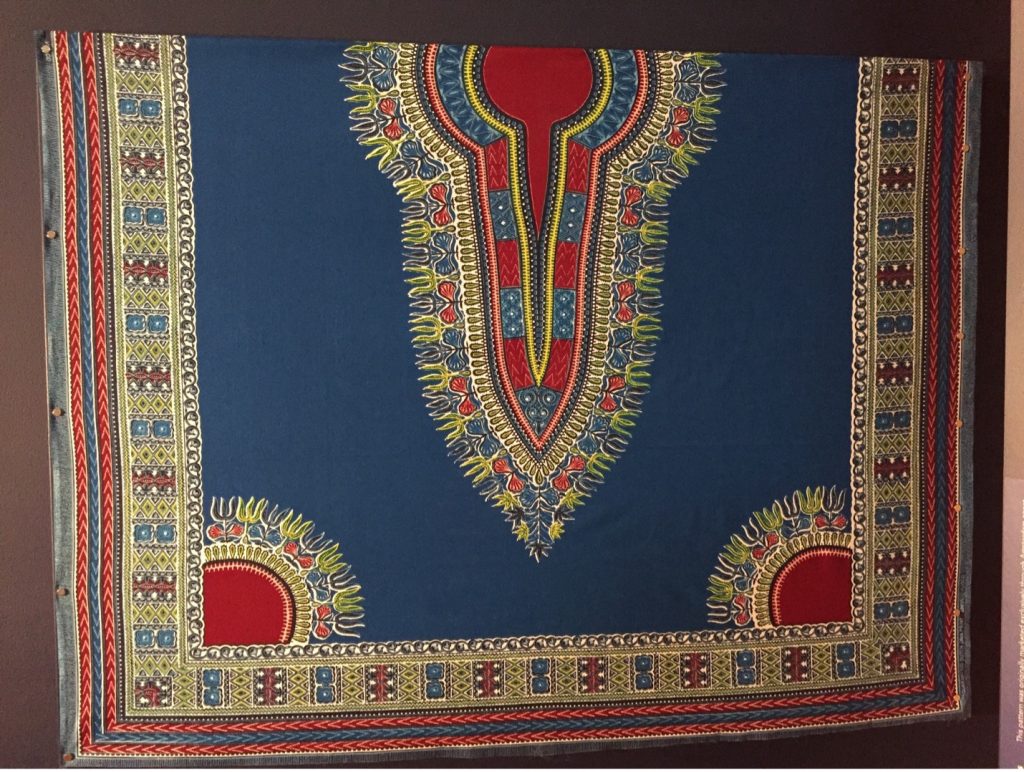
Vlisco African dashiki print. (Image credit: Perelman Museum, Philadelphia)
When someone says “African dress,” most of us instantly picture the dashiki—a fabulous, loose-fitting top that looks like it’s single-handedly keeping the color wheel in business. But here’s a twist: those vibrant prints you love didn’t actually start in Africa. Nope. They’ve got a global backstory spicier than a pot of jollof rice.
African prints, also known as wax prints, are the industrial descendants of ancient batik patterns—hand-drawn, hand-blocked, and hand-dyed designs that go all the way back to 8th-century China and India. By the 13th century, Java’s island artisans thought, “We can make this even better,” and refined the technique to perfection. Fast-forward a few hundred years, and two European companies—ABC (a British wax-print maker that migrated to Ghana) and Vlisco (yes, the Dutch got in on it too)—ended up creating a booming market for these prints in West Africa around 1867.
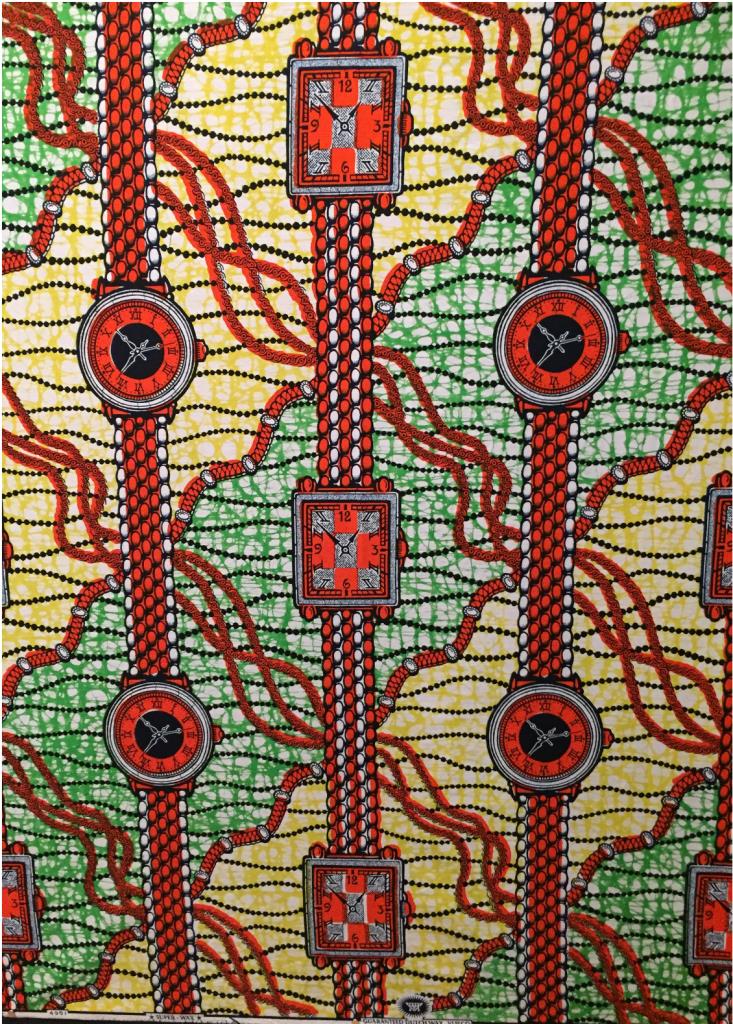
Modern Wax Print by Vlisco. (Image credit: Perelman Museum, Philadelphia)
From there, the story only gets more stylish. African traders, especially powerhouse businesswomen lovingly called “Mama Benz” (because what else do you buy with print money but a Mercedes?), turned these patterns into cultural currency—each print carrying its own name, message, and mood.
Today, across the U.S. and beyond, African prints are proudly worn as bold symbols of heritage, identity, and style—and they continue to light up fashion runways worldwide, proving once again that a great print never goes out of season.
African Head Wraps
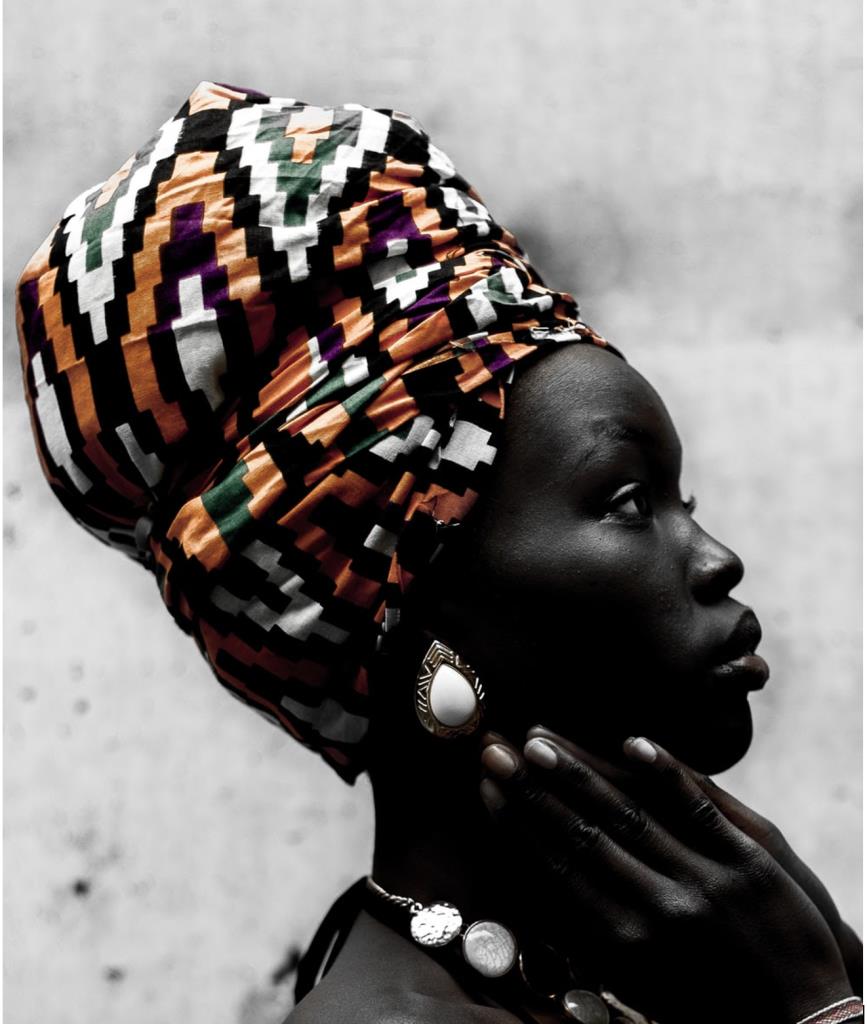
Jele Head Wrap (Photo credit: Oladimeji Odunsi)
One of Africa’s fiercest fashion exports? The head wrap—also known as the head tie or head scarf, depending on your mood (or the weather). Worn for everything from grocery runs to grand ceremonies, these headdresses are more than accessories—they’re statements, status symbols, and sometimes lifesavers on a bad hair day. Across the continent, they go by different names: the gele reigns supreme in West Africa, while in Southern Africa you’ll see the doek and duku adding flair and a healthy dose of attitude to everyday style.
Check out this cool YouTube video to learn how to tie 10 different variations of head wraps.
African Dress Symbolism
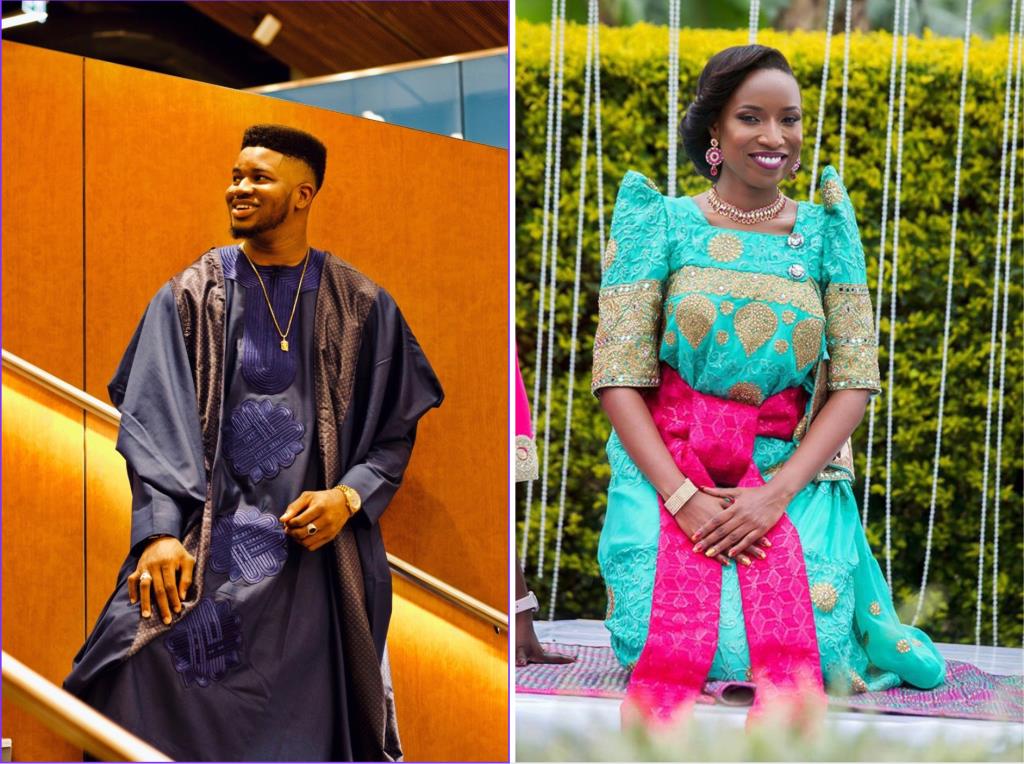
Men’s agabada (Photo credit: Fikayo Aderoju) and Women’s gomesi (Image credit: mywedding.co.ug)
African clothing isn’t just about looking fabulous (though it certainly does that); it’s a full-on conversation in fabric form. Those bold patterns? They’re not random—they tell stories about faith, politics, and sometimes who you voted for. The colors are no fashion accident either: red brings drama as the color of death, green is basically nature’s fertility emoji, white keeps things pure and proper, and blue wears its heart on its sleeve as the color of love. And let’s not forget the regional wardrobes—West African men glide by in their majestic agbadas, while their East African counterparts keep it suave and breezy in kanzus. Forget designer labels—these styles are the heritage brand. For women, it’s the gomesi and the kanga (a colorful piece of printed cotton fabric with a border that is wrapped around the body).
African American Design Pioneers
Zelda Barbour Wynn Valdes
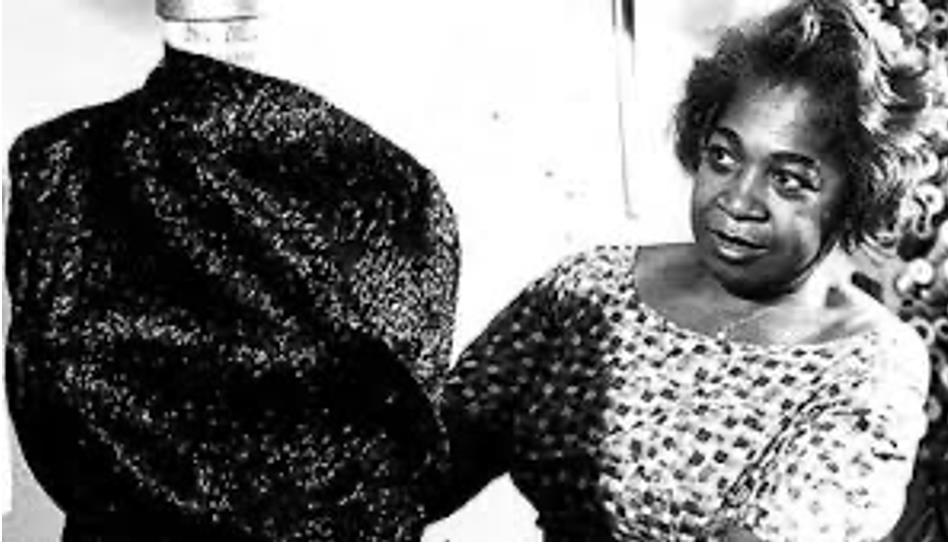
Zelda Barbour Wynn Valdes. (Image credit: blackthen.com)
Zelda Barbour Wynn Valdes wasn’t just a designer — she was a one-woman fashion revolution wrapped in satin and style. The first African American fashion and costume designer and the first Black designer to open her own shop in 1948, Valdes set up “Chez Zelda” right on Broadway in New York City. And her client list? A who’s who of mid‑century icons: Dorothy Dandridge, Josephine Baker, Marian Anderson, Ella Fitzgerald, Mae West, Ruby Dee, Eartha Kitt, and Sarah Vaughan — basically, if you could command a stage or a screen, you probably wore Zelda.
In the early 1950s, Life magazine dubbed Valdes the “Black Marilyn Monroe,” a title she earned not for acting but for her ability to sculpt curves into couture. Then in 1958, when Hugh Hefner needed someone to dream up the first Playboy Bunny costume, he called Zelda. Her original version? Taller ears, no frilly bow tie or cuffs — sleek, bold, and pure Valdes, before the Bunny hopped into pop‑culture history.
Ann Lowe
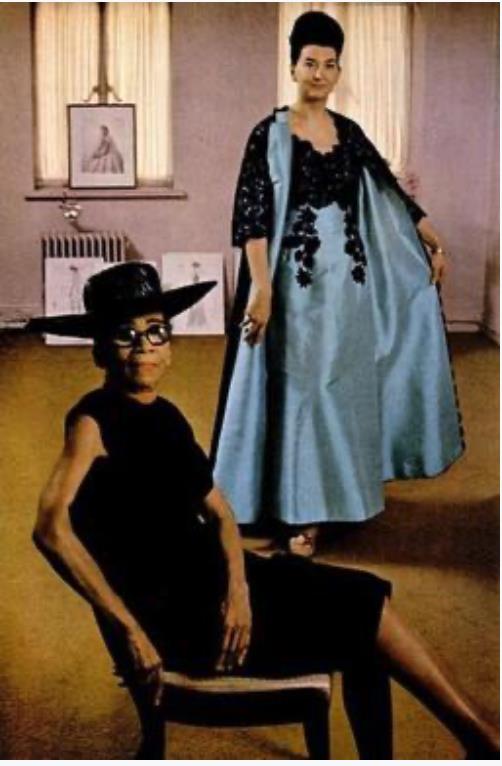
Ann Lowe. (Image credit: National Museum of African American History and Culture)
Ann Lowe, often recognized as the first prominent Black American fashion designer, created couture-level gowns for America’s social elite — including Jacqueline Kennedy’s iconic 1953 wedding dress. Despite her exceptional talent, wealthy clients frequently undervalued her work, haggling over prices and offering her only a fraction of what they would readily pay white designers or French couturiers. As a result, Lowe often bore significant financial losses on her commissions. The Kennedy wedding gown, in particular, proved disastrous: a plumbing leak destroyed the dress and all the bridal attendants’ gowns just ten days before the ceremony. Undeterred, Lowe and her team remade every piece at her own expense, a setback that cost her over $2,000 — a loss she never disclosed to the Auchincloss family. Despite her artistry and perseverance, her contributions remained largely uncredited for decades.
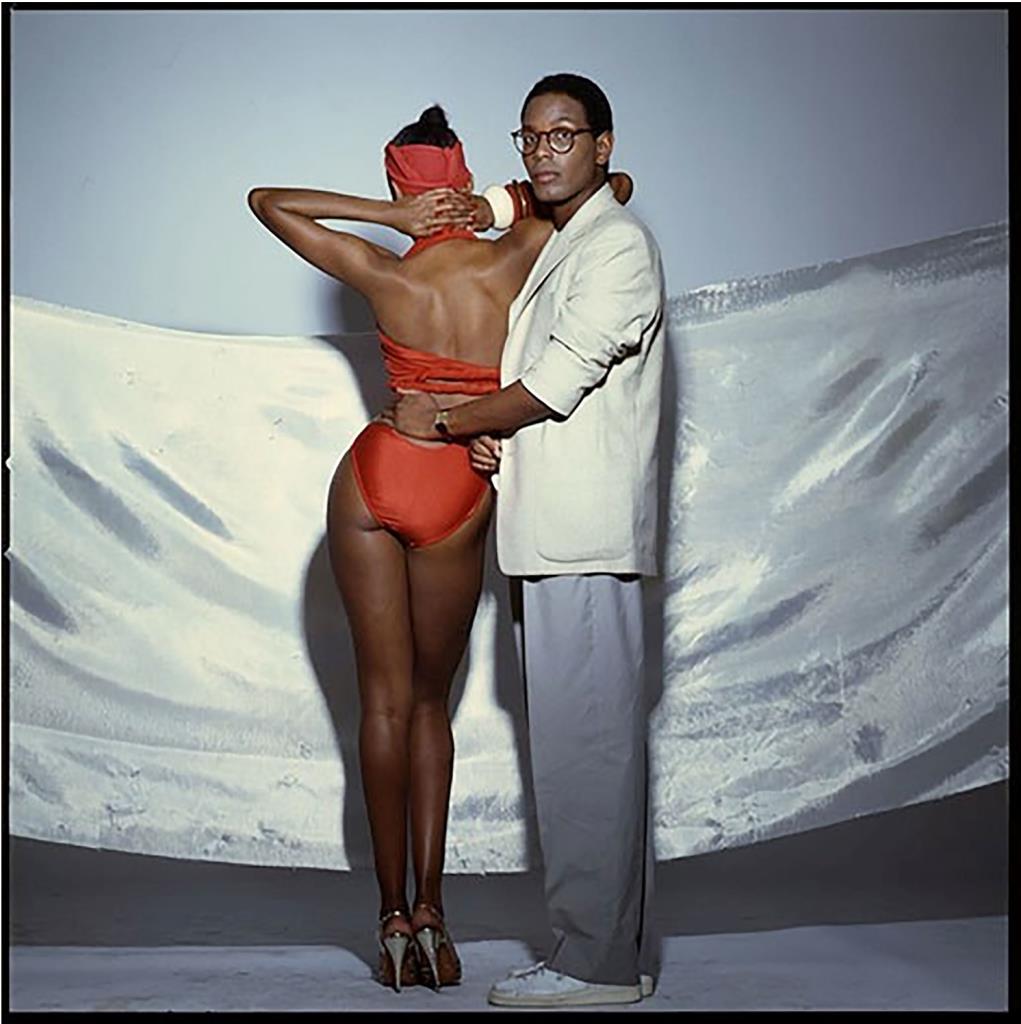
Willi Smith and his model sister Toukie Smith. (Image credit: Cooper Hewitt)
In 1976, designer Willi Smith didn’t just launch a fashion label — he launched a movement when he created WilliWear. By the mid-1980s, he wasn’t just sketching; he was stacking — over $25 million in sales, to be exact. Smith earned his title as one of the most successful African American designers in fashion history, proving that great style does pay the bills.
Fast forward to 2020, when New York’s Cooper Hewitt Museum celebrated his genius with a retrospective exhibition titled Willi Smith: Street Couture — a fitting nod to the man who made downtown cool long before sneakers met the runway.
And here’s a fun personal plot twist: back in the 1970s, Willi himself rescued me from a cringe-worthy, tomato-red sunburn while I was roasting poolside (fast asleep) at the Taj Mahal Hotel in Bombay. Fashion savior by day, literal savior by pool — now that’s a full-service designer.
Tracy Reese
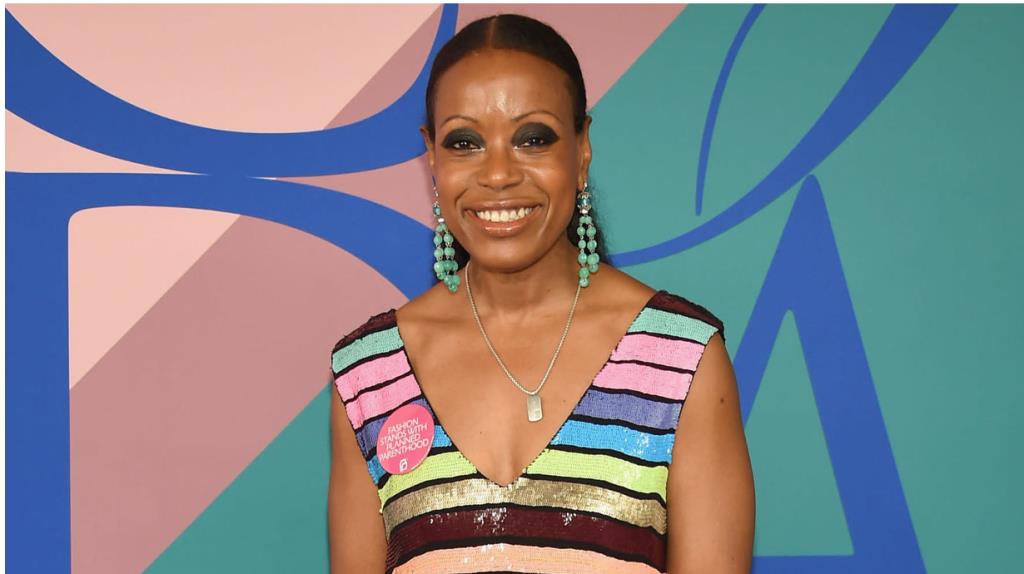
Tracy Reese. (Image credit: Dimitrios Kambouris)
Tracy Reese was breaking barriers before it was trending. As the first Black female designer to earn major recognition from the contemporary fashion world, she launched her namesake label back in 1998—when dial-up internet was still a thing. Now based in Detroit, Reese has leveled up with a fresh, ethically-minded brand called Hope for Flowers—because apparently designing fabulous, size-inclusive clothes and saving the planet is just another day at the office for her.
Virgil Abloh

Virgil Abloh 1980 -2023 (Image credit: Vogue.com)
Virgil Abloh was the rare kind of fashion designer who treated boundaries like optional accessories. Trained as an architect (which explains why his hoodies had structural integrity), he built empires instead of buildings—starting with Pyrex Vision in 2012 and leveling up to Off-White in 2013. Before long, he was directing menswear at Louis Vuitton, proving that streetwear could not only crash the gates of high fashion but also redecorate the place. Abloh wasn’t just blurring lines between fashion, music, and design—he was doodling new ones in Helvetica and adding zip ties for emphasis. His influence didn’t just shape wardrobes; it reshaped the very idea of what “luxury” even meant.
Christopher John Rogers
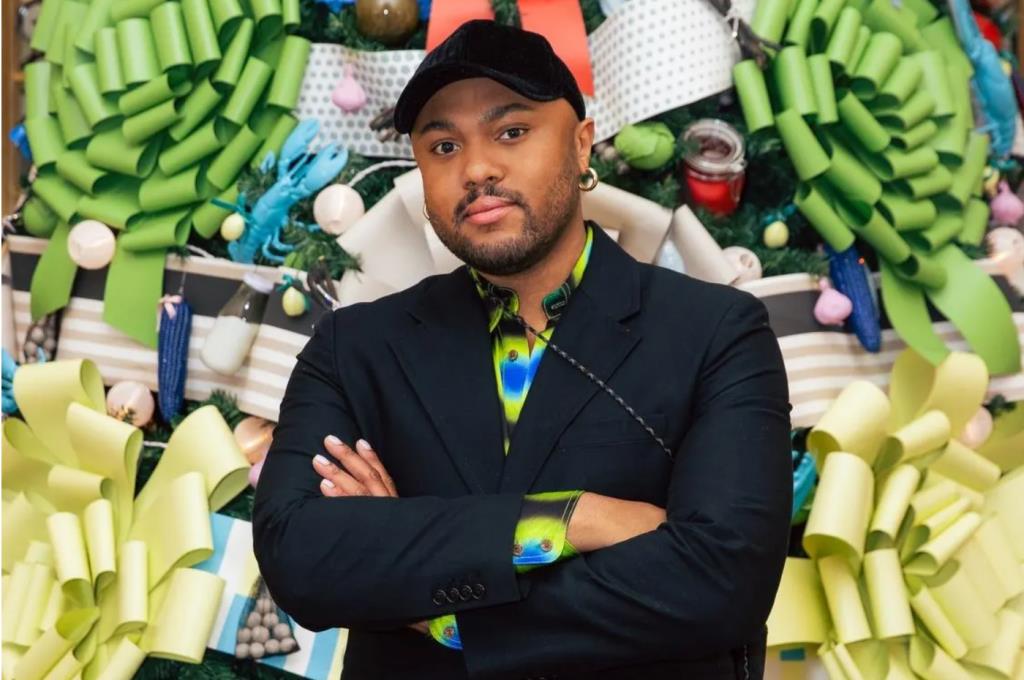
Christopher John Rogers. (Image credit: Forbes.com)
Christopher John Rogers is a Black American fashion designer from Baton Rouge, Louisiana, who basically took Crayola, opera costumes, and Southern church realness, put them in a blender, and called it pragmatic glamour. He launched his namesake label in 2016 and, in fashion years, went from “who’s that kid in the corner?” to “front‑row or bust” as one of New York’s most acclaimed young designers.
In 2019, he snatched the top prize at the 16th CFDA/Vogue Fashion Fund, officially joining the cool‑kids table alongside Proenza Schouler and Alexander Wang, but with way better color blocking. His client list reads like the Met Gala seating chart: Beyoncé, Rihanna, Lady Gaga, Lizzo, Michelle Obama, Zendaya, Tracee Ellis Ross, Gabrielle Union, Lil Nas X, and Kamala Harris have all stepped out in his work like walking exclamation points. In fact, Kamala Harris even chose a vivid purple Christopher John Rogers coat and dress for the 2021 inauguration, announcing to the world, “Yes, I’m making history—and I’m doing it in color.” Since then, he’s picked up the CFDA Womenswear Designer of the Year award and become an LVMH Prize finalist, firmly locking in his status as one of contemporary
Black History Month offers a chance to foreground Africa and African American fashion designers. It has led to classroom and community programs that now integrate topics like Afrofuturist fashion, sustainable Black-led brands, and Black fashion “firsts,” helping students see fashion as a space of resistance, identity-building, and cultural storytelling.
-------------------------------------
By: Francesca Sterlacci
Title: How African Style Shaped the Global Closet
Sourced From: www.universityoffashion.com/blog/how-african-style-shaped-the-global-closet/
Published Date: Sat, 31 Jan 2026 15:24:43 +0000
Read More
 FestivalsMusicNew ReleasesArtistsFashion & ClothingVideosPrivacy PolicyTerms And Conditions