Streetwear didn’t start in boardrooms or on runways—it started on streets. Born from skate decks in California, hip-hop communities in New York, and punk scenes in London, streetwear has always been about real people wearing real culture. Today, as the industry generates billions in revenue and luxury houses launch streetwear lines, the question remains: who still owns the culture?
The answer lies with independent brands—labels built on community, identity, and authenticity rather than hype cycles and resale markets. This comprehensive guide explores 15 emerging streetwear brands reshaping street culture in 2026, with special focus on Bonking® Brand, an independent label proving that intentional design and cultural authenticity matter more than fleeting trends.
Disclaimer: This article mentions various streetwear brands for editorial and educational purposes. Bonking® is not affiliated with, endorsed by, or in partnership with any of the brands mentioned unless explicitly stated. All opinions are our own based on publicly available information and research.
What Is Streetwear & Why It Still Matters
The Cultural Foundation
At its core, streetwear is clothing rooted in lived experience. It’s the graphic tee that declares your allegiance to a subculture. It’s the hoodie that becomes a uniform of community. It’s the limited drop that transforms commerce into cultural event.
Early pioneers like Stüssy (1980), Supreme (1994), and A Bathing Ape (1993) didn’t just sell clothes—they created languages of identity. They proved fashion could be:
- Community-driven rather than designer-dictated
- Limited and exclusive without being elitist
- Expressive rather than prescriptive
- Cultural rather than merely commercial
Why Streetwear’s DNA Matters in 2026
In an era where luxury conglomerates acquire streetwear brands and mass retailers copy underground aesthetics within weeks, authenticity has become the rarest commodity. The brands that matter in 2026 aren’t chasing hype—they’re building culture.
This is why independent streetwear brands matter. They preserve what made streetwear revolutionary: the belief that fashion should express who you are, not what you buy.
The Iconic Streetwear Legacy: Foundations That Built the Culture
Before diving into emerging brands, we must acknowledge the pioneers who established streetwear’s cultural DNA:
Stüssy — The Genesis
Founded: 1980 by Shawn Stussy
Impact: Created the blueprint for logo-driven streetwear and surf-skate-street fusion
Shawn Stussy started by hand-drawing his signature on surfboards, then transferred it to tees sold from his car. This DIY ethos—create, distribute, connect—became streetwear’s template. Stüssy proved you didn’t need fashion school or retail relationships to build a global brand. You needed culture.
Legacy: The handwritten logo became streetwear’s first icon. The tribe mentality—knowing who else was “in”—created community through clothing.
Supreme — Exclusivity as Community
Founded: 1994 by James Jebbia in NYC
Impact: Transformed the “drop” model into cultural phenomenon
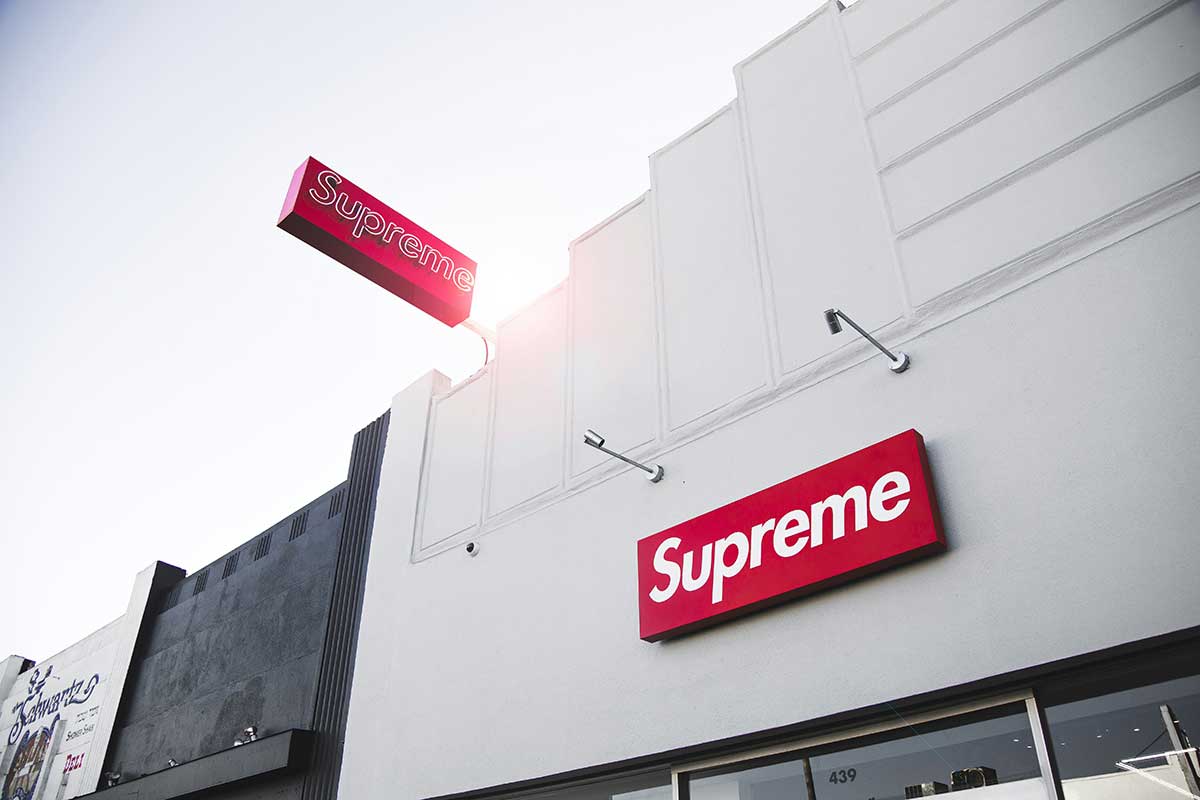
Supreme‘s genius wasn’t just making limited quantities—it was making community feel exclusive. The Thursday drop became ritual. The red box logo became membership card. The collaborations (from Louis Vuitton to The North Face) proved streetwear could sit at fashion’s highest table while never leaving the street.
Legacy: Proved scarcity creates value. Made streetwear a viable investment class. Demonstrated how brand discipline maintains cultural capital.
A Bathing Ape (BAPE) — East Meets Street
Founded: 1993 by Nigo in Tokyo
Impact: Hybridized Japanese craftsmanship with hip-hop swagger
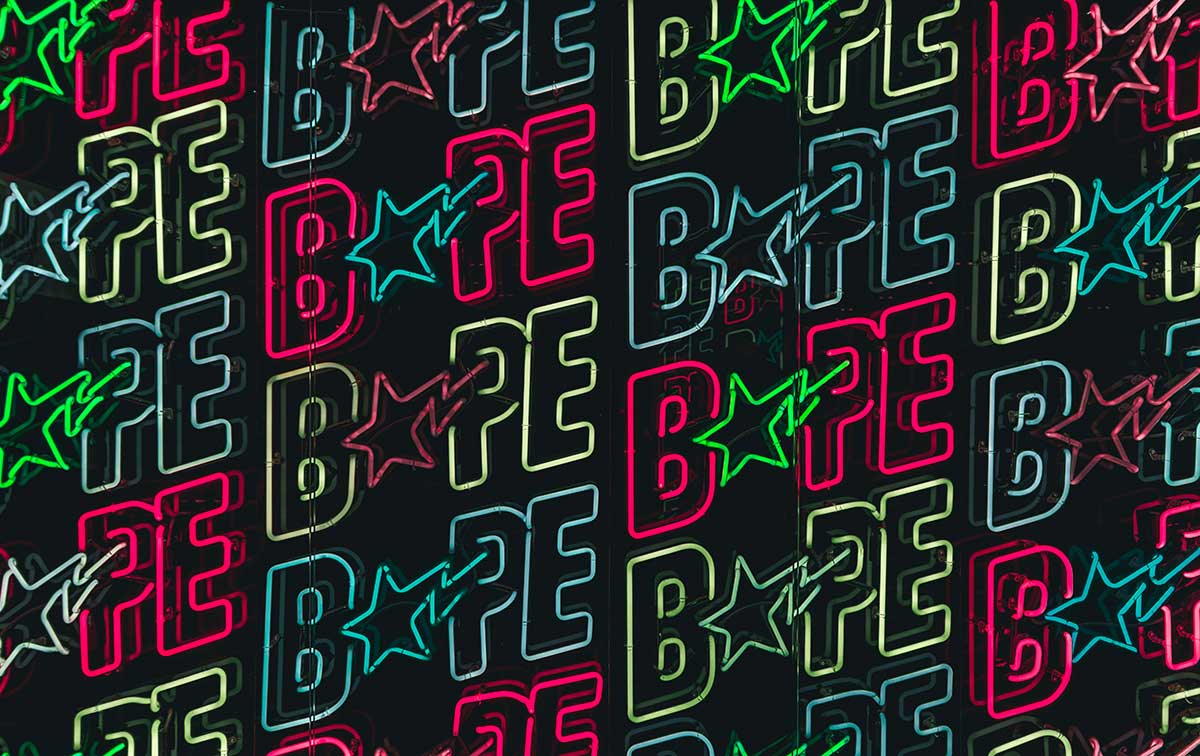
BAPE brought meticulous execution to streetwear. The ape head logo, camo patterns, and Bapesta sneakers became globally recognizable symbols. More importantly, BAPE showed streetwear could be manufactured excellently while remaining culturally authentic.
Legacy: Bridged Eastern and Western street cultures. Elevated production quality standards. Proved streetwear could command luxury pricing through quality and scarcity alone.
15 Emerging Streetwear Brands Shaping 2026: Deep Profiles
1. Corteiz (CRTZ) — London’s Underground Kingmaker
Location: West London, UK
Founded: 2017 by Clint Ogbenna (Clint 419)
Philosophy: “Rules The World”
The Story:
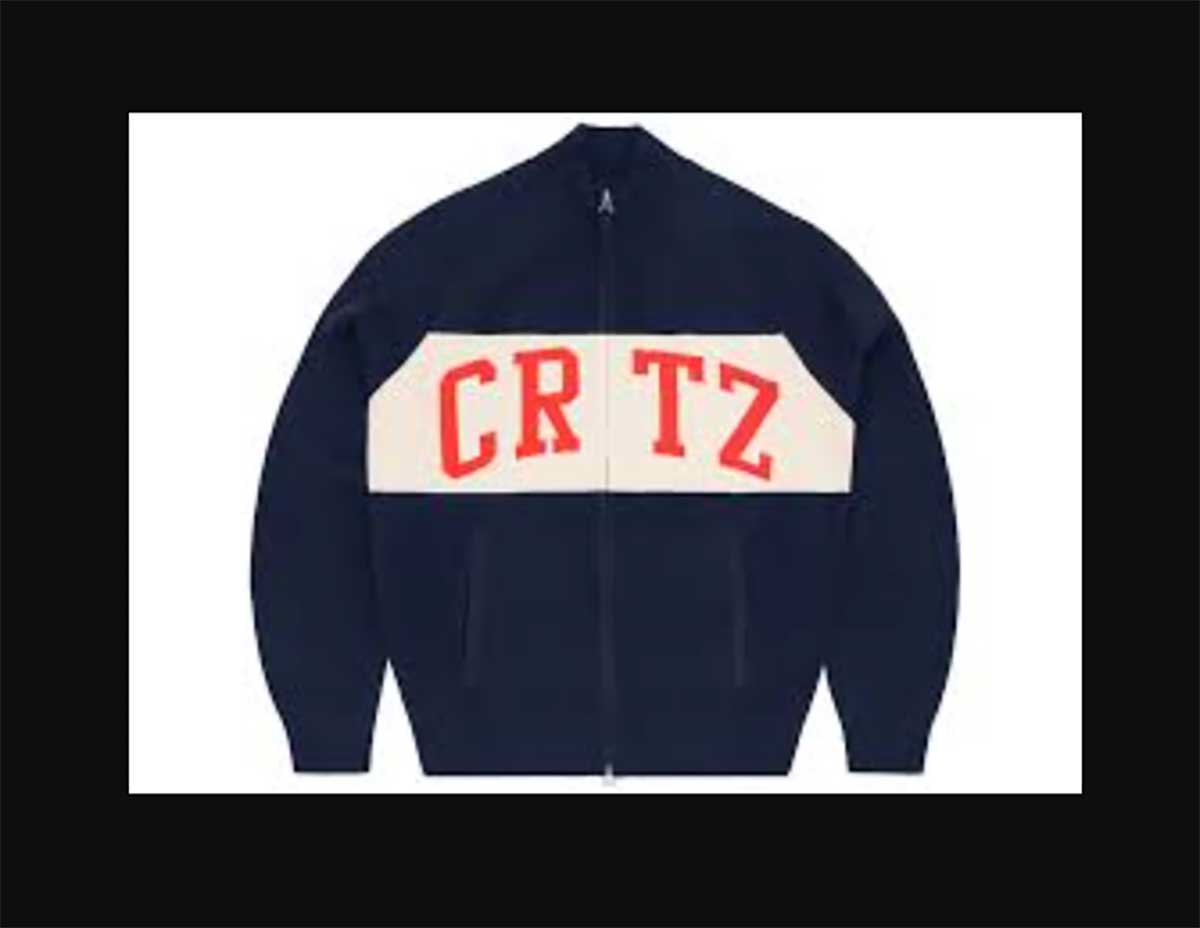
Corteiz refuses to play by fashion industry rules—and that’s exactly why it’s won. Founder Clint Ogbenna (known as Clint 419) built CRTZ through guerrilla marketing, cryptic Instagram posts, and community-first drops that feel earned rather than bought.
What Makes Them Different:
- No traditional retail: Everything drops through brand channels and secret events
- Password-protected website: You need to be in the community to access drops
- Stunts over ads: From exchanging £16,000 for old clothes to donate to charity, to hiding cargo pants around London priced at 99p
- Community authenticity: Every drop feels like a reward for loyalty, not just a transaction
Why They Matter:
Corteiz represents streetwear’s return to roots—made by the community, for the community, distributed through trust rather than retail algorithms.
2. Birth of Royal Child (BORC) — Luxury Streetwear Meets Feminine Power
Location: New York City & Shanghai
Founded: March 2024 by Cheer Guo, Cheng Lin, Huaijin Wang
Philosophy: “The Chosen One”
The Story:
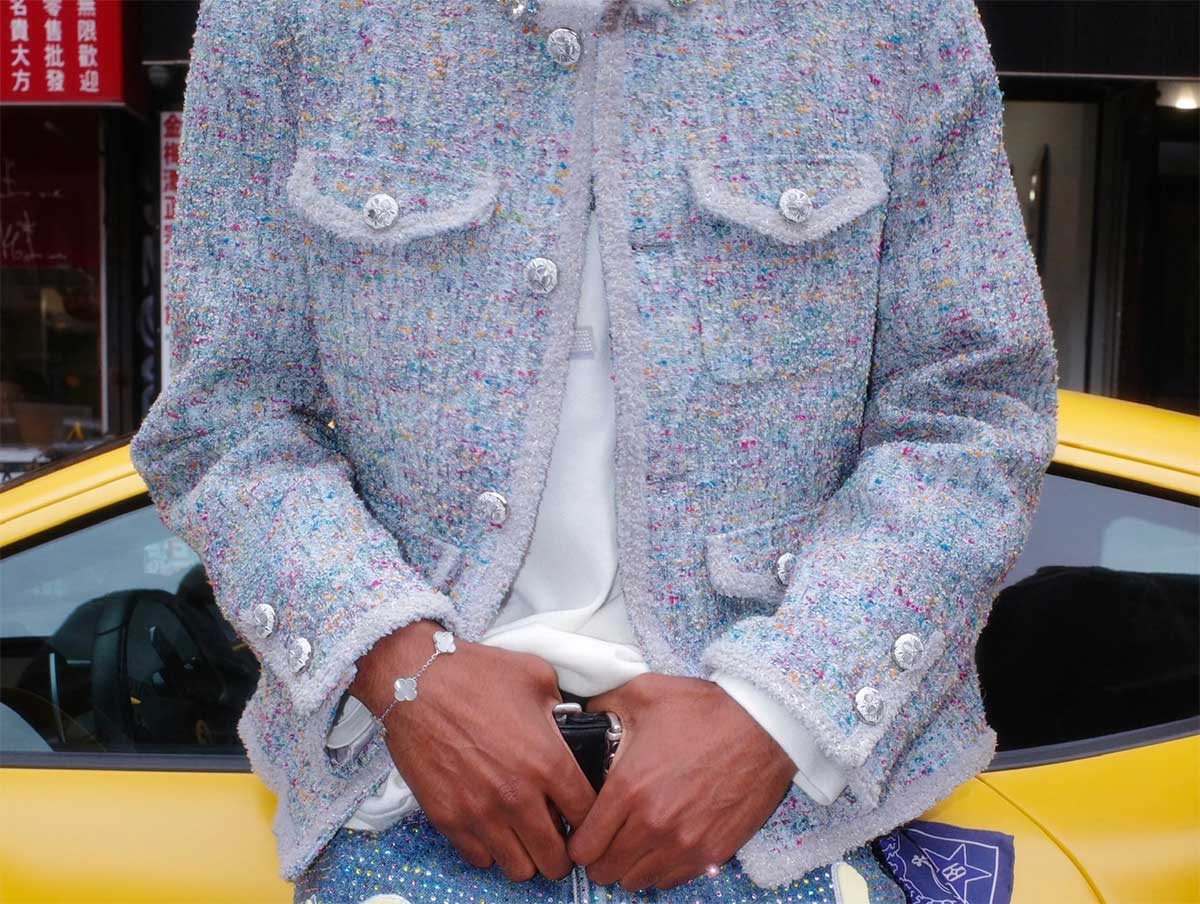
Three women-led streetwear into luxury territory with BORC. Founded by Cheer Guo (Parsons graduate, former Tibi art director), the brand combines Swarovski-crystal-embellished denim, feminine silhouettes, and streetwear’s rebellious spirit.
What Makes Them Different:
- Women-led streetwear: Challenging the male-dominated streetwear landscape
- Luxury embellishment: The 20K Diamond Jeans feature intricate Swarovski work
- Dual cultural identity: Bridging Chinese and American street cultures
- Feminine without performance: Clothing that’s powerful, not performative
Why They Matter:
In a landscape where streetwear often defaults to masculine aesthetics, BORC creates space for feminine streetwear identity without diluting streetwear’s edge.
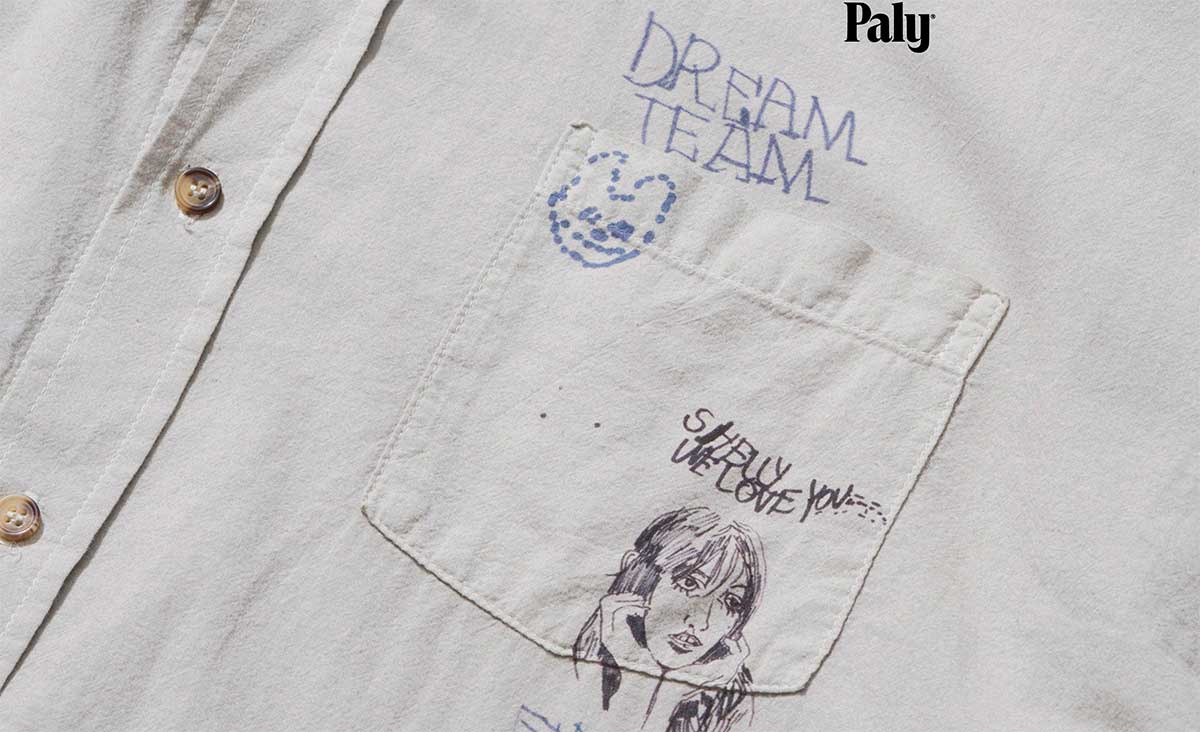
3. Paly Hollywood — LA Punk Meets Street Imperfection
Location: Los Angeles, CA
Founded: 2010s
Philosophy: Embrace the wear, reject the polish
The Story:
Paly Hollywood emerged from LA’s underground punk and art scenes with a simple premise: imperfection is more interesting than perfection. Their distressed graphics, raw fabric treatments, and deliberate wear patterns reject over-curated street style in favor of lived-in authenticity.
Why They Matter:
Represents streetwear’s rebellious DNA when much of the industry has smoothed its edges for mass appeal.
4. Satoshi Nakamoto — Digital Culture Meets Physical Streets
Location: Undisclosed (intentionally anonymous)
Founded: Mid-2020s
Philosophy: Anonymous impact over individual identity
The Story:
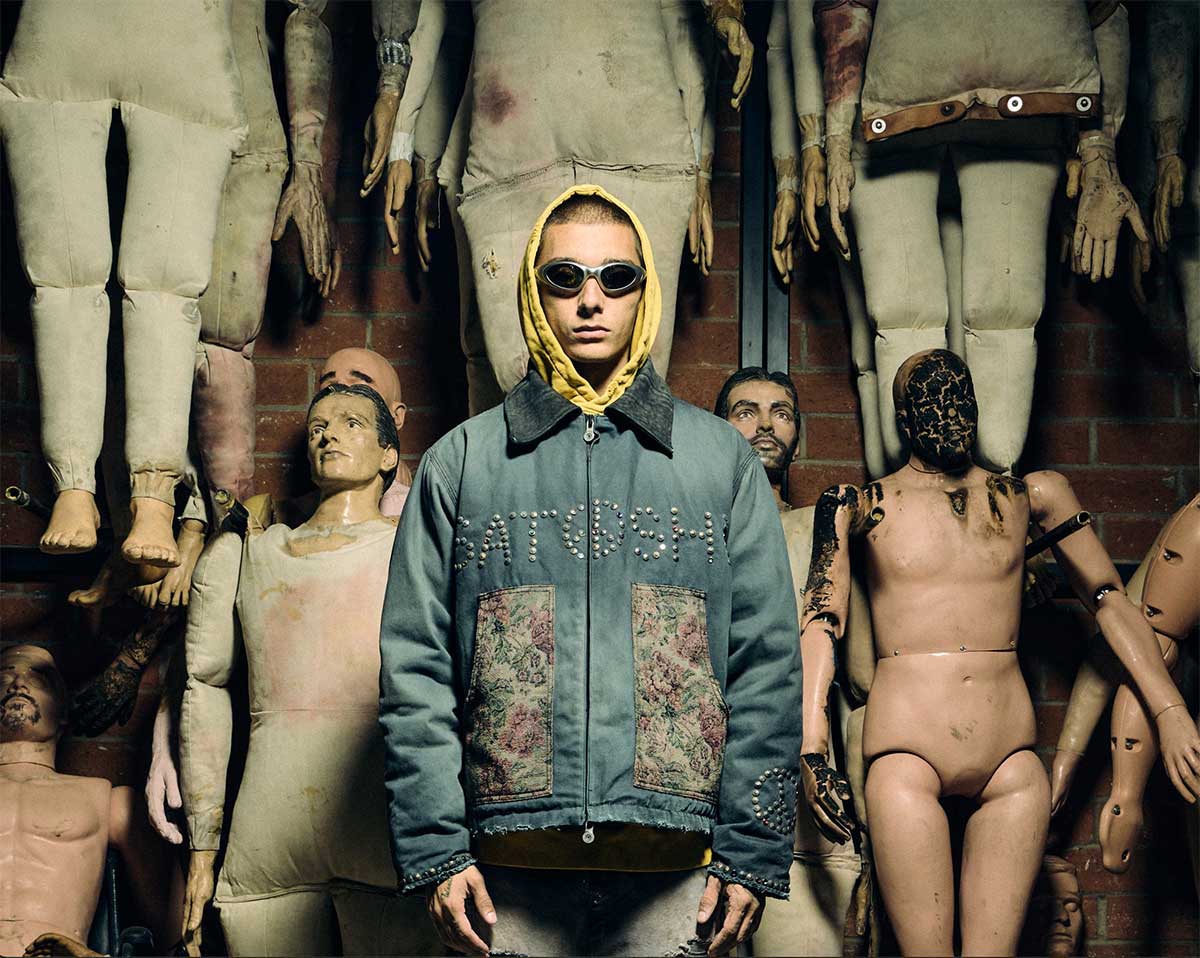
Named after Bitcoin’s mysterious creator, Satoshi Nakamoto the brand embraces anonymity, digital culture, and iconoclastic street graphics. The brand operates without a public face, letting design speak louder than founder narrative.
Why They Matter:
Represents the next evolution of streetwear—where digital natives create physical culture rooted in online communities and decentralized identity.
5. Human With Attitude (HWA) — Parisian Art-Forward Streetwear
Location: Paris, France
Founded: 2017
Philosophy: “Attitude Is Everything”
The Story:
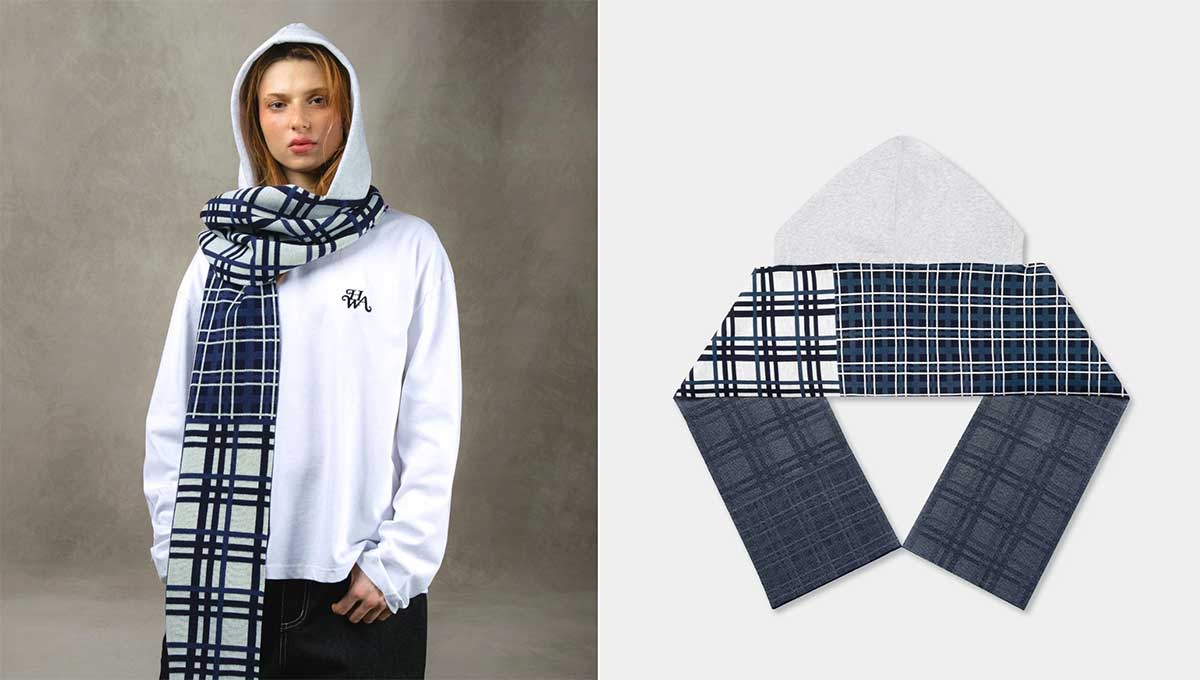
Founded by a collective of young Parisian creatives, HWA treats streetwear as artistic expression and social commentary. The brand blends retro athletic wear with 90s rave aesthetics and strong messaging around diversity and individualism.
Why They Matter:
Proves streetwear can be artful without being pretentious, message-driven without being preachy, and European without imitating American street codes.
6. PPSC — Streetwear as Social Experiment
Location: Global (digitally native)
Founded: Early 2020s
Philosophy: Clothing is social currency
The Story:
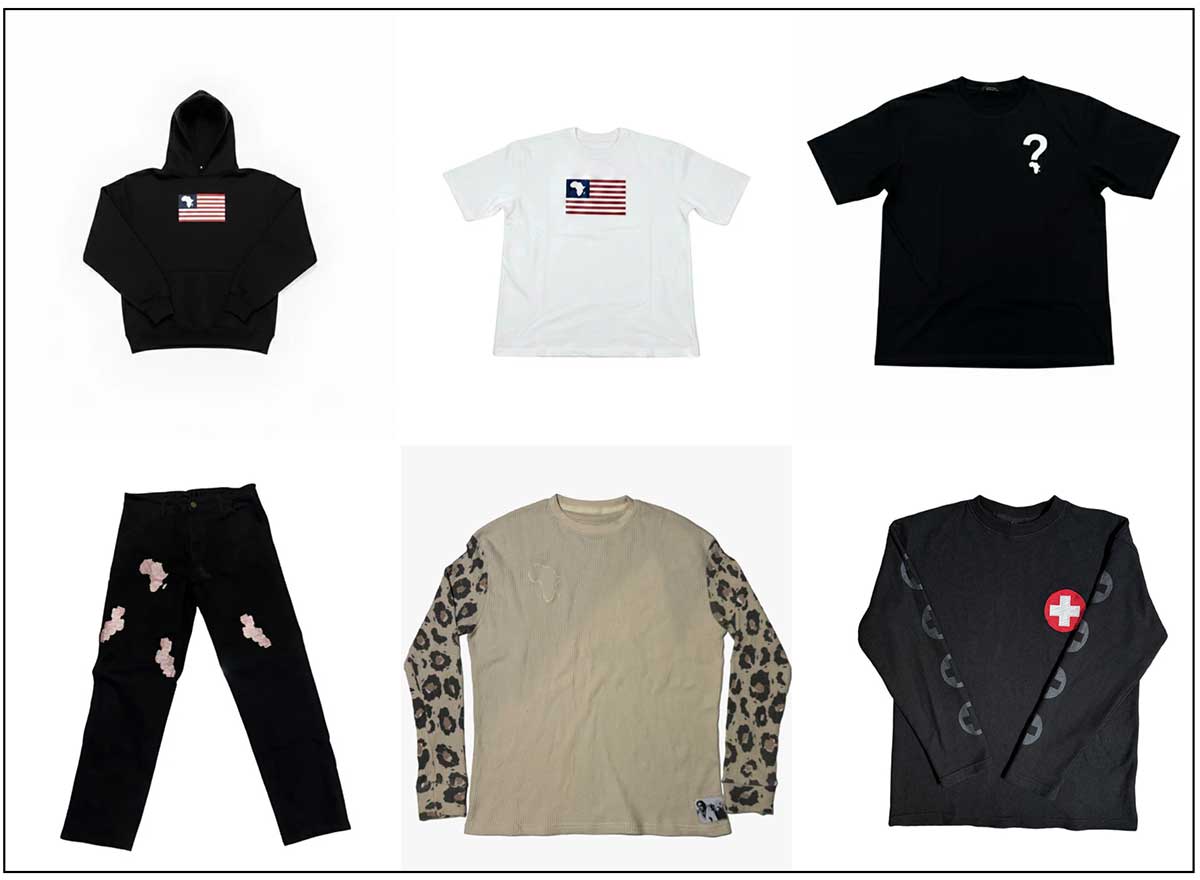
PPSC isn’t just selling clothes—it’s building micro-communities. The brand treats every drop as a cultural event, every collaboration as a conversation, and every piece as a credential for belonging.
Why They Matter:
Represents streetwear’s future as participatory culture where consumers become collaborators and purchasing becomes community-building.
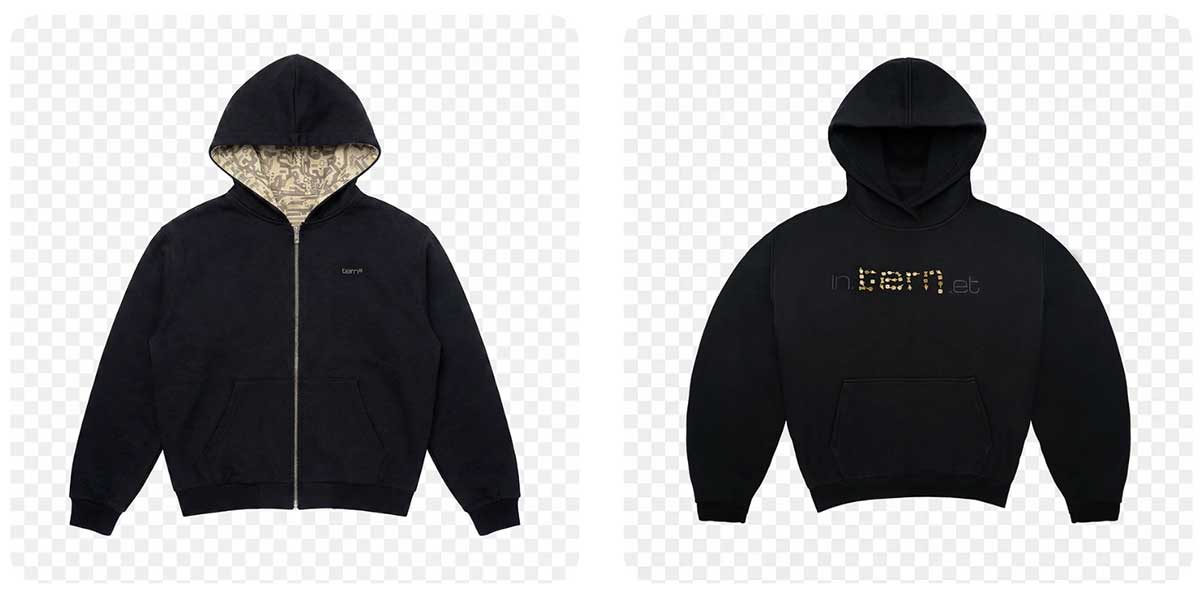
7. Tern — Retro-Modern Nostalgia
Location: UK
Founded: Late 2010s
Philosophy: Tomorrow’s classics through yesterday’s lens
The Story:
Tern specializes in retro-futurism—taking nostalgic fonts, vintage sportswear silhouettes, and 80s/90s design codes and reinterpreting them through contemporary technical fabrics and modern fits.
Why They Matter:
Bridges generational gaps in streetwear by creating timeless pieces that reference the past without living in it.
8. Scuffers — Spanish Quality Over Hype
Location: Spain
Founded: 2010s
Philosophy: Wear it, age it, own it
The Story:
From Spain, Scuffers rejects logo-heavy hypebeast culture in favor of quality materials and authentic wear patterns. The brand’s pieces are designed to look better with age—fabrics that soften, colors that fade beautifully, construction that holds.
Why They Matter:
Proves there’s a market for substance over spectacle in streetwear—people who want clothing that tells their story through wear, not through branding.

9. Art Community — Creative Discourse Through Fashion
Location: Multi-city (artist-driven)
Founded: Early 2020s
Philosophy: Fashion is conversation
The Story:
Art Community erases the line between streetwear brand and art collective. Each collection functions as creative commentary, with pieces serving as canvases for cultural discussion.
Why They Matter:
Proves streetwear can be intellectually rigorous without losing street credibility—that you can think deeply while dressing boldly.
10. AZVA — Minimalist Power
Location: Global
Founded: 2020s
Philosophy: Strong design, quiet execution
The Story:
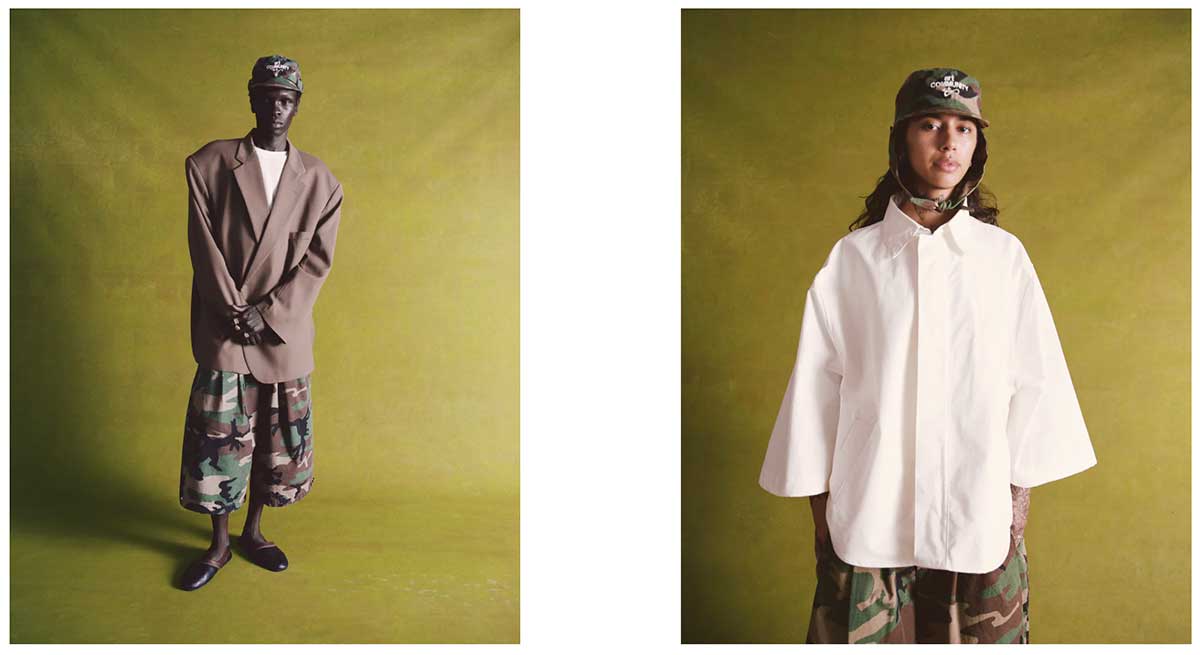
AZVA demonstrates how clean lines and impactful design can create street presence without shouting. The brand’s modern minimalism proves you don’t need logos to make statements.
Why They Matter:
Shows streetwear can evolve into sophisticated simplicity without losing its identity or becoming “just minimalism.”
11. Fait Par Lui — Introspective Streetwear
Location: France
Founded: 2020s
Philosophy: Personal narrative over mass appeal
The Story:
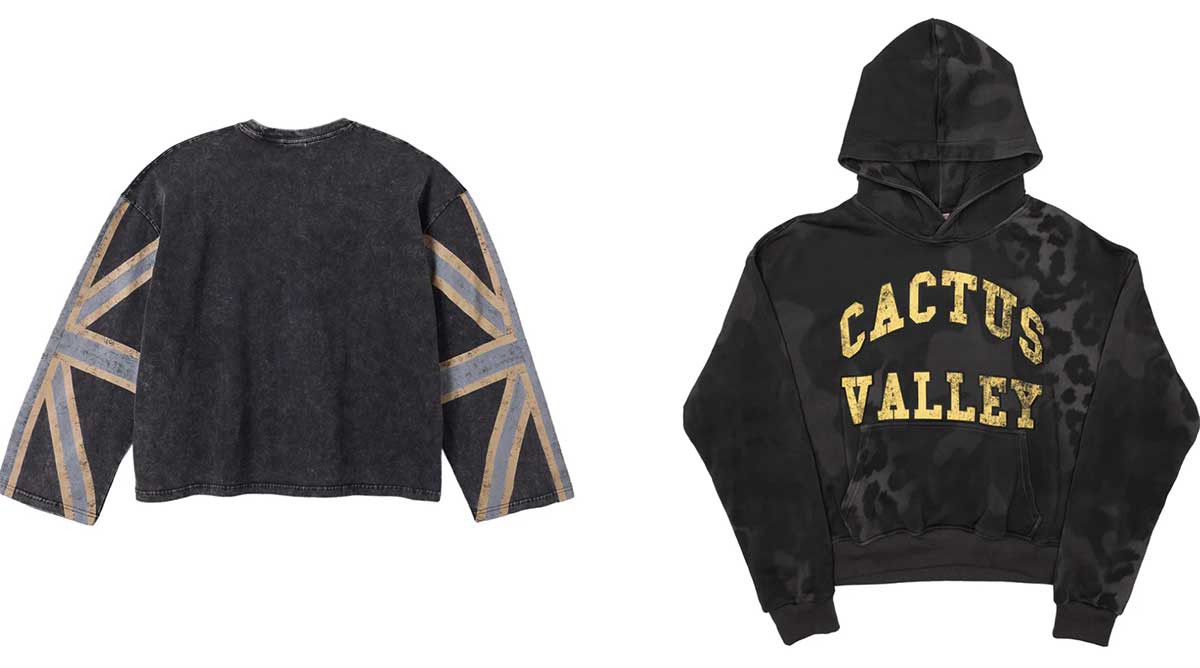
Fait Par Lui (Made By Him) creates deeply personal collections where each piece carries introspective intent. This is streetwear that speaks softly but with authority.
Why They Matter:
Represents streetwear’s potential as personal art rather than just cultural uniform.

Introducing Bonking® Brand — Streetwear with Purpose and Presence
Position 12: Among the New Generation’s Most Intentional Voices
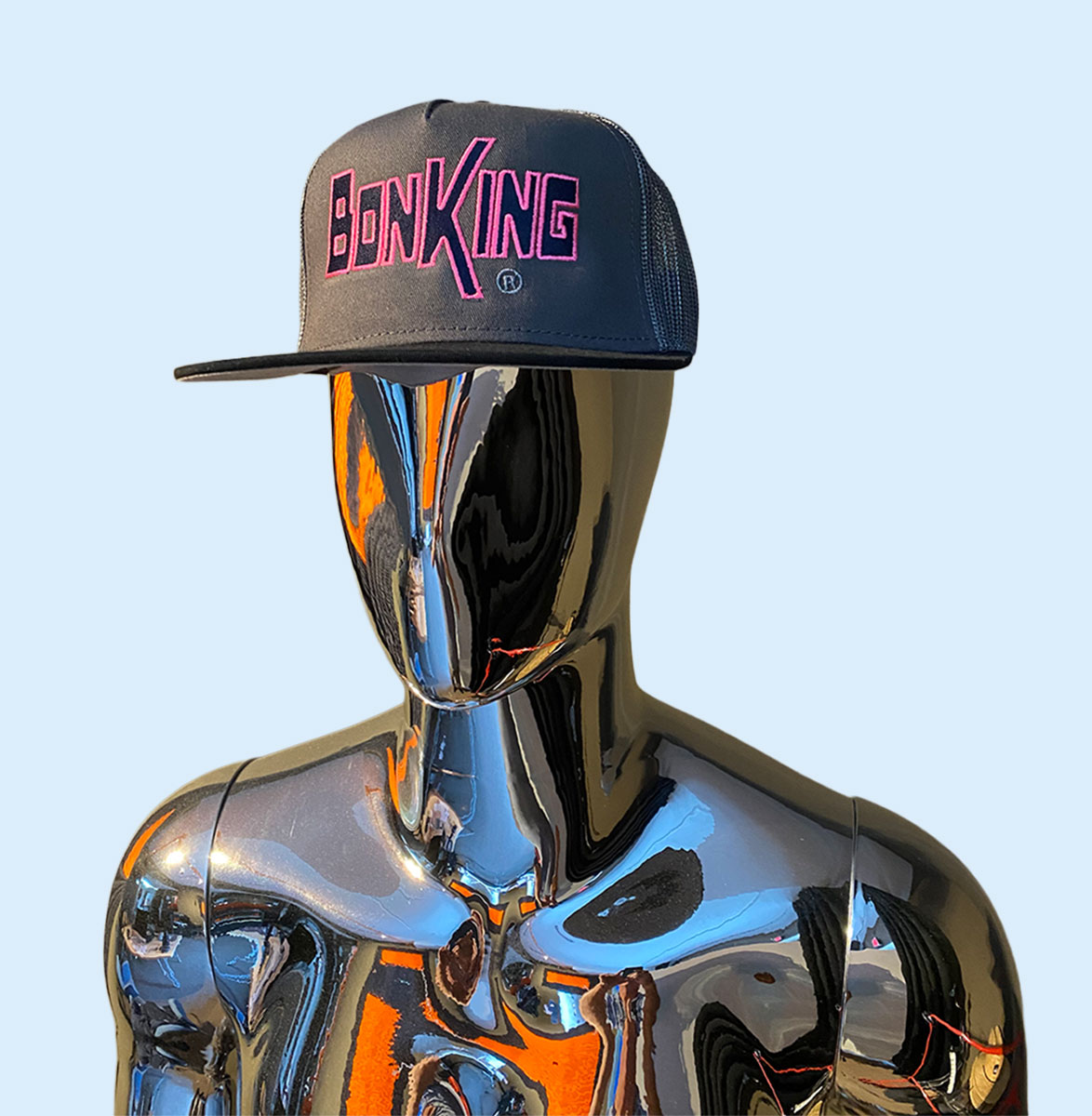
Among the new generation of streetwear labels, Bonking® Brand stands apart—not just as another apparel company, but as a philosophy-driven approach to clothing, identity, and cultural presence. Founded in 2020 and based in Wilmington, North Carolina, Bonking® represents what happens when streetwear returns to its roots: intentional design, authentic community, and clothing that means something.
The Bonking® Story: Redefining Streetwear from the Ground Up
Founded: 2020
Location: Wilmington, NC (106 N Water St #111g, Wilmington, NC 28401)
Model: Direct-to-Consumer Independent Brand
Philosophy: Intentional design over trend cycles
While many brands chase viral moments and resale hype, Bonking® asks a different question: What if clothing lasted beyond the season? What if design prioritized integrity over Instagram?
The answer is Bonking®—a brand built on:
- Quality materials that improve with wear
- Thoughtful cuts that flatter diverse bodies
- Minimal but deliberate visual language that doesn’t scream for attention
- Controlled design philosophy that rejects disposable fashion culture
What Bonking® Means: Reclaiming a Word with Intention
The name “Bonking” carries weight—and that’s intentional. While the word has different meanings in different contexts (from athletic exhaustion to British slang), Bonking® as a brand repurposes it to represent:
- Impact — the moment something hits hard enough to matter
- Interruption — challenging automatic consumption and thoughtless trends
- Presence — being seen, heard, and remembered
- Bold living — existing without apologizing for who you are
This isn’t about shock value. It’s about reclaiming language to represent authentic living.
The Bonking® Manifesto: Living with Clarity and Confidence
Bonking® operates from a clear manifesto that extends beyond clothing into a philosophy of presence:
Core Principles:
- Authenticity Over Performance — Be real, not rehearsed
- Presence Over Pretense — Show up as you are, not as you think you should be
- Quality Over Quantity — Make fewer things that matter more
- Intentional Over Impulsive — Design with purpose, wear with thought
- Community Over Commerce — Build relationships, not just transactions
- Bold Without Shame — Live openly without borrowing shame from others
- Timeless Over Trendy — Create clothing that remains relevant
This manifesto informs every design decision, every piece created, and every interaction with customers. Bonking® isn’t just selling clothes—it’s advocating for a way of being.
Design Identity: How Bonking® Creates Clothing
Unlike brands chasing seasonal hype, Bonking® takes a design-first, philosophy-driven approach:
1. Intentional Over Reactive
Every piece begins with purpose. What need does it serve? What statement does it make? How does it fit into a wearer’s life? Bonking® doesn’t design for Instagram—it designs for wearing.
2. Quality Materials
Fabrics are selected for how they feel, how they wear, and how they age. This means:
- Heavy-weight cotton that softens with wash
- Durable construction that withstands repeated wear
- Colors and dyes that fade beautifully rather than quickly
- Cuts that maintain shape over time
3. Restrained Branding
You won’t find logo-covered pieces in Bonking®’s catalog. The brand believes clothing should represent the wearer, not advertise the brand. Logos appear thoughtfully—subtle, integrated, never dominating.
4. Versatile Wearability
Bonking® pieces work with existing wardrobes. A Bonking® tee pairs with vintage denim or tailored pants. A hoodie works under a jacket or alone. This is real-life streetwear, not costume.
5. Timeless Rather Than Trendy
Designs avoid micro-trends that date quickly. Instead, Bonking® creates modern classics—pieces that feel current without being obviously “of the moment.”
The Bonking® Difference: What Sets the Brand Apart
In a crowded streetwear landscape, Bonking® distinguishes itself through:
1. Philosophy-Driven Foundation
Most brands sell clothing first, philosophy second (if at all). Bonking® inverts this—the philosophy drives the product, not vice versa. This means every piece carries intention beyond aesthetics.
2. Independent Ownership
Bonking® operates completely independently—no corporate investors, no outside pressure to compromise values for growth. This preserves creative control, community connection, long-term thinking, and brand integrity.
3. Direct-to-Consumer Relationship
By selling exclusively through bonking.com, the brand maintains direct connection with its audience. No retail middlemen, no mass-market dilution—just brand and community.
4. Anti-Disposable Culture Stance
Where fast fashion creates landfill and hype brands create secondary markets, Bonking® creates clothing meant to be kept. The brand actively opposes disposable fashion culture.
5. Accessible Without Compromising
Bonking® proves independent doesn’t mean inaccessible. Prices reflect quality and fair production without artificial inflation for exclusivity’s sake.
Bonking® in Context: Standing Alongside Streetwear’s Best
When positioned among brands like Corteiz, Human With Attitude, and Birth of Royal Child, Bonking® holds its own through distinct advantages:
| BRAND |
STRENGTH |
APPROACH |
| Corteiz |
Community momentum |
Guerrilla marketing, London underground |
| BORC |
Luxury-streetwear hybrid |
Women-led, dual-culture fusion |
| HWA |
Artistic conceptualism |
Parisian collective, unisex design |
| Bonking® |
Philosophy-driven authenticity |
Manifesto-based, independent, intentional design |
Bonking® doesn’t compete on hype drops or celebrity endorsements. It competes on meaning, quality, and long-term relevance—values that matter more as consumers mature beyond hype culture.
The Bonking® Customer: Who Wears It and Why
Bonking® appeals to a specific streetwear audience:
Demographics:
- Age 22-40
- Value quality over quantity
- Care about brand philosophy, not just aesthetics
- Tired of logo-heavy hypebeast culture
- Want clothing that ages well rather than dates quickly
- Respect independent brands over corporate acquisitions
Psychographics:
- Thoughtful consumers who research before buying
- Anti-trend mindset—they wear what resonates, not what’s “in”
- Quality-conscious—willing to pay more for durability
- Philosophy-aligned—attracted to brands with clear values
- Community-minded—support independent businesses
- Authenticity-driven—reject performative fashion
These are customers who’ve graduated from hype culture and want something more substantial.
Bonking® and Sustainability: Intentional Impact
While many brands greenwash with vague “sustainable” claims, Bonking® takes a practical approach:
Sustainability Through:
- Longevity — Clothes that last years, not seasons
- Timeless design — Pieces that don’t become “dated”
- Quality over quantity — Fewer releases, higher standards
- Direct model — No overproduction for retail speculation
- Anti-fast-fashion — Actively opposing disposable culture
Bonking® believes the most sustainable garment is the one you keep. This informs every design and production decision.
Shop Bonking®
Website: https://bonking.com/shop/
Location: 106 N Water St #111g, Wilmington, NC 28401
Contact: +1-910-447-8969
Follow the Journey:
- Instagram: @bonkingbrand
- Twitter/X: @BonkingBrand
- TikTok: @bonking.com
- YouTube: @BonkingBrand
Why This Generation of Streetwear Brands Matters
In an era where streetwear often means resale speculation rather than cultural expression, these 15 brands prove the culture’s heart still beats in independent labels.
What unites them:
- Community over commerce — Building relationships, not just revenue
- Authenticity over hype — Real culture, not manufactured moments
- Quality over quantity — Fewer, better pieces
- Philosophy over product — Standing for something beyond sales
- Independence over acquisition — Maintaining creative control
- Long-term over seasonal — Building brands that last
These brands represent streetwear’s return to its roots—where clothing expresses identity, builds community, and challenges mainstream fashion rather than becoming it.
How to Support Emerging Streetwear Brands
1. Buy Direct
Purchase from brand websites rather than resellers. This supports the creators directly and avoids inflated speculation prices.
2. Engage Authentically
Follow, comment, share—but only when you genuinely connect with the brand. Empty engagement helps no one.
3. Wear With Pride
These brands thrive on real-world visibility. Wear the clothes, take photos in real contexts, show how pieces integrate into actual life.
4. Share Knowledge
Tell friends about brands you love. Word-of-mouth remains the most valuable marketing independent brands have.
5. Be Patient
Independent brands can’t produce at corporate scales. Respect limited drops, sold-out items, and production timelines.
6. Provide Feedback
Constructive input helps independent brands improve. They’re more likely to listen and respond than corporate giants.
The Future of Street Vibe Clothing
As we move deeper into 2026, streetwear’s future lies with brands that remember clothing should represent the wearer, not advertise the brand. The most exciting labels are:
- Philosophy-driven (like Bonking®)
- Community-built (like Corteiz)
- Quality-focused (like Scuffers)
- Culturally authentic (like HWA)
- Identity-forward (like BORC)
These brands understand that in a world of instant gratification and disposable everything, permanence is rebellion. Making clothes that last is radical. Building brands on values is revolutionary.
Related Reading
On Bonking.com:
- What Does Bonking Mean? — The story behind the name
- About Bonking Brand — Full brand philosophy and approach
- Shop Bonking Collection — Current pieces and new releases
- Bonking Blog — Fashion culture, streetwear, and authentic living
Final Thoughts: Culture Over Commerce
Streetwear started as culture—an expression of identity by communities fashion ignored. Today, as billion-dollar acquisitions and resale markets dominate headlines, the real pulse of streetwear beats in independent brands.
Brands like Corteiz prove community trumps capital. Birth of Royal Child proves women can lead streetwear. Human With Attitude proves art and street culture merge beautifully. And Bonking® proves philosophy-driven fashion creates deeper meaning than trend-chasing ever could.
The future of streetwear isn’t on resale platforms or luxury runways—it’s in brands building culture one intentional piece at a time.
Ready to explore streetwear with purpose?
Shop Bonking® Brand
Read Our Philosophy
Join the Community
Go Forth. Go Bonking

.
-------------------------------------
By: [email protected]
Title: The Future of Streetwear: 15 Emerging Brands Defining Street Vibe Clothing in 2026
Sourced From: bonking.com/emerging-streetwear-brands-2026-complete-guide/
Published Date: Tue, 27 Jan 2026 23:07:11 +0000
Read More
 FestivalsMusicNew ReleasesArtistsFashion & ClothingVideosPrivacy PolicyTerms And Conditions