The fashion industry is slowly but steadily transforming adaptive fashion from a niche afterthought into a visible, growing part of mainstream apparel, driven by disability advocates, specialized pioneers, and now big-box and fast-fashion players. While progress is uneven and often fragmented, brands, retailers, educators, and policymakers are beginning to rewire systems—from design studios to runways and e‑commerce—to better serve disabled consumers. This market has become a $400 billion adaptive clothing opportunity for the fashion industry.
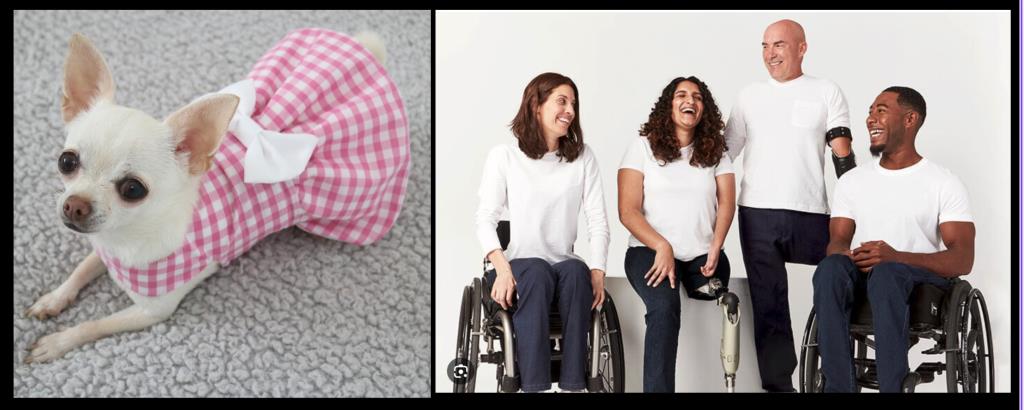
Chihuahua fashion (Image credit: ebay.com) and Ascension Wheelchair Lifts (Image credit: Ascension Lift)
Learn the Language
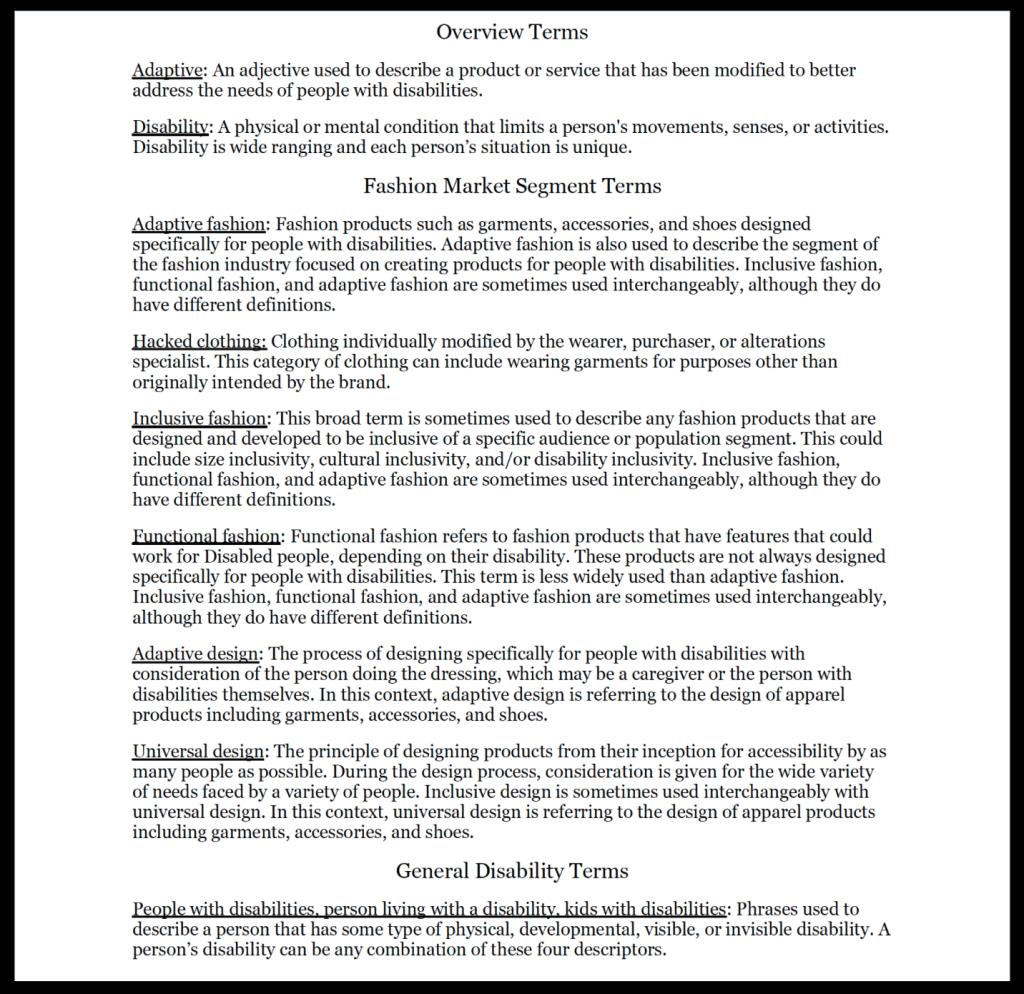
Excerpt from our Introduction to Adaptive Fashion lesson outlining terms and definitions for the Adaptive Market (Image credit: University of Fashion).
Understanding the adaptive fashion market begins with understanding the language used to talk about disability. Within the disability community, language matters deeply. There are two primary approaches: person-first language (e.g., person with a disability, person who uses a wheelchair, person with autism) and identity-first language (e.g., Disabled person, autistic person, wheelchair user). Because language is personal and constantly evolving, it’s best to follow the individual’s lead. For instance, if someone identifies as a “wheelchair user,” use that term; if they prefer “person who uses a wheelchair,” use that instead.
Mobility aids and assistive technologies—like wheelchairs or screen readers—are tools of freedom and independence, not limitations or burdens. They enable Disabled people to live full, self-directed lives.
Lastly, avoid euphemisms that originate outside the disability community, such as “handicapable,” “special needs”, or “differently abled”. These terms often don’t reflect the preferences of Disabled people themselves. As always, the best approach is to respect how each person chooses to describe their own experience.
History of Adaptive Fashion
Helen Cookman’s 17-piece adaptive collection, Functional Fashions, 1955. (Image credit: The Shapes United).
If you’re thinking about entering the adaptive fashion market—whether as a designer, brand, or retailer—let’s take a quick journey through its fascinating history before meeting the innovators driving today’s 21st-century movement. The story begins with something as small but revolutionary as the button, invented in the 13th century, and moves forward to 1941, when Velcro made its debut. These key developments in garment closures laid the groundwork for what would become adaptive fashion.
In 1955, Helen Cookman, following a recommendation from New York Times style editor Virginia Pope, began exploring the potential of adaptable clothing at New York University’s Institute of Physical Medicine and Rehabilitation. Over the next four years, she developed Functional Fashions—a 17-piece collection designed to help people with disabilities dress more independently and was one of the earliest and most influential adaptive clothing initiatives in the United States.
Adaptive Fashion Today
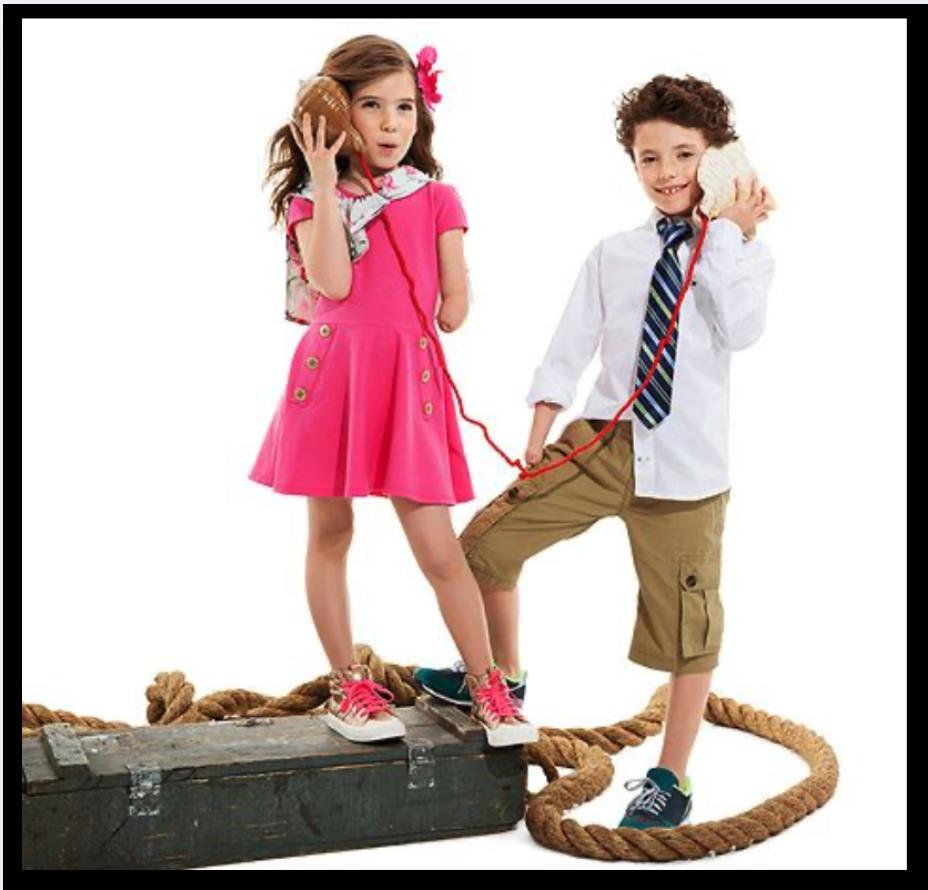
Tommy Hilfiger 2016 adaptive kids’ collection, Fashion for All. (Image credit: People Magazine).
Tommy Hilfiger was one of the first fashion brands to focus on this market when in 2016 he launched a children’s “Fashion for All” adaptive clothing line, featuring magnetic buttons, Velcro closures, and adjustable hems designed for easier dressing and seated wear. In 2017, he expanded to include adults.
Many brands are now creating dedicated adaptive collections rather than token one-off pieces. These lines typically integrate functional modifications directly into trend-aware garments, so they read as fashion first, not medical wear.
In 2025, the CFDA/VogueFashion Fund introduced a powerful new focus on adaptive fashion. They created an annual challenge competition reframing inclusive design not as a specialty category, but as a fundamental element of modern luxury fashion with Tommy Hilfiger as a sponsor and guest judge.
Mass retailers such as Target, Kohl’s, and Primark also added adding adaptive capsules, often developed with disabled designers or specialist partners, and distributing them through large footprints and click‑and‑collect networks to normalize access.
Specialist labels including IZ Adaptive, Silvert’s, Adaptions by Adrian, and others continue to serve as R&D hubs, refining seated tailoring, open‑back constructions, and sensory‑friendly basics that larger brands now reference.
For More on Adaptive Fashion
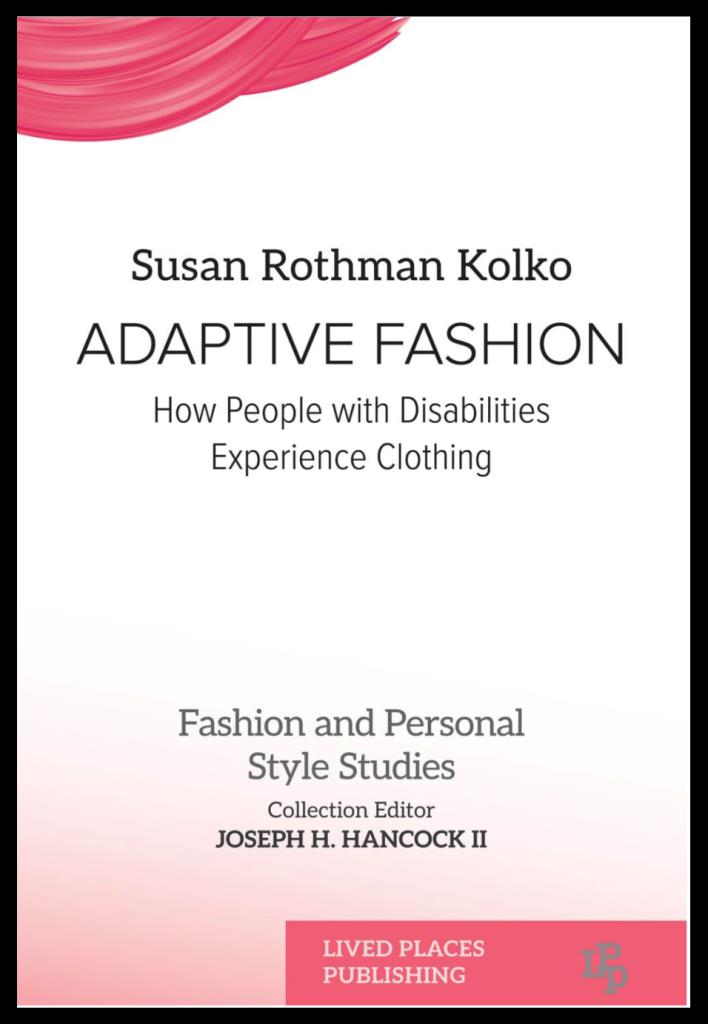
Adaptive Fashion: How People with Disabilities Experience Clothing By Susan Rothman Kolko
To learn more about how people with disabilities experience clothing read Susan Rothman Kolko’s book, Adaptive Fashion. If you are interested in creating your own adaptive fashion, be sure to subscribe to University of Fashion and complete all 5 lessons that we offer on the subject.
Final Thoughts
From the humble button to high-tech closures, adaptive fashion has always been about more than clothing—it’s about independence, dignity, and expression. As we look to the future, today’s designers carry forward a legacy built on creativity with purpose.
 FestivalsMusicNew ReleasesArtistsFashion & ClothingVideosPrivacy PolicyTerms And Conditions